Hybrid Work Model is Changing Office Design
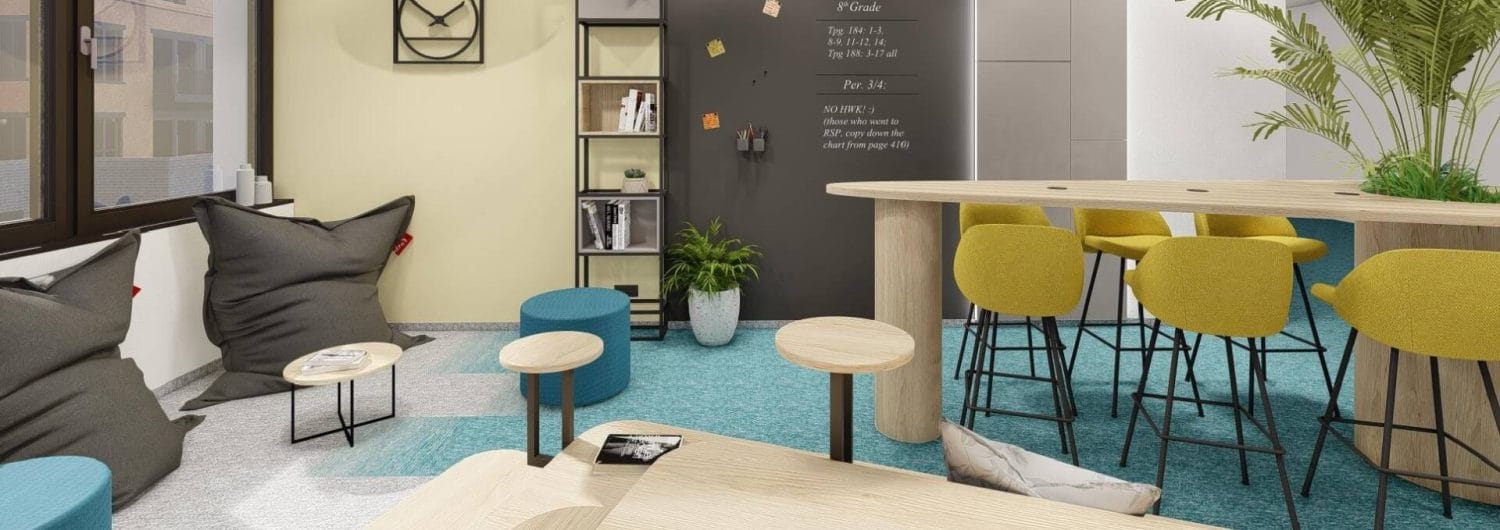
Work today happens in various places – not just in the office, but also at home, in cafes, or while traveling. Flexibility has become a regular part of work life, and with it, the demands on the work environment are changing. How is this reflected in office interiors?
Just a few years ago, we were clear – office work is done in the office. Then came remote work, which quickly transformed from an emergency solution into a regular part of work life. Companies sought balance, tried hybrid models, and adapted to new employee habits. Today, some organizations are trying to bring employees back to offices, but the way of working remains different. Expectations and needs have changed – and with them, the nature of the work environment.
What should an office look like to succeed in a time when not only the place we work from is changing, but also how we do it? The answer is a flexible office that can adapt – to current team needs, individual work styles, and varying occupancy throughout the week.
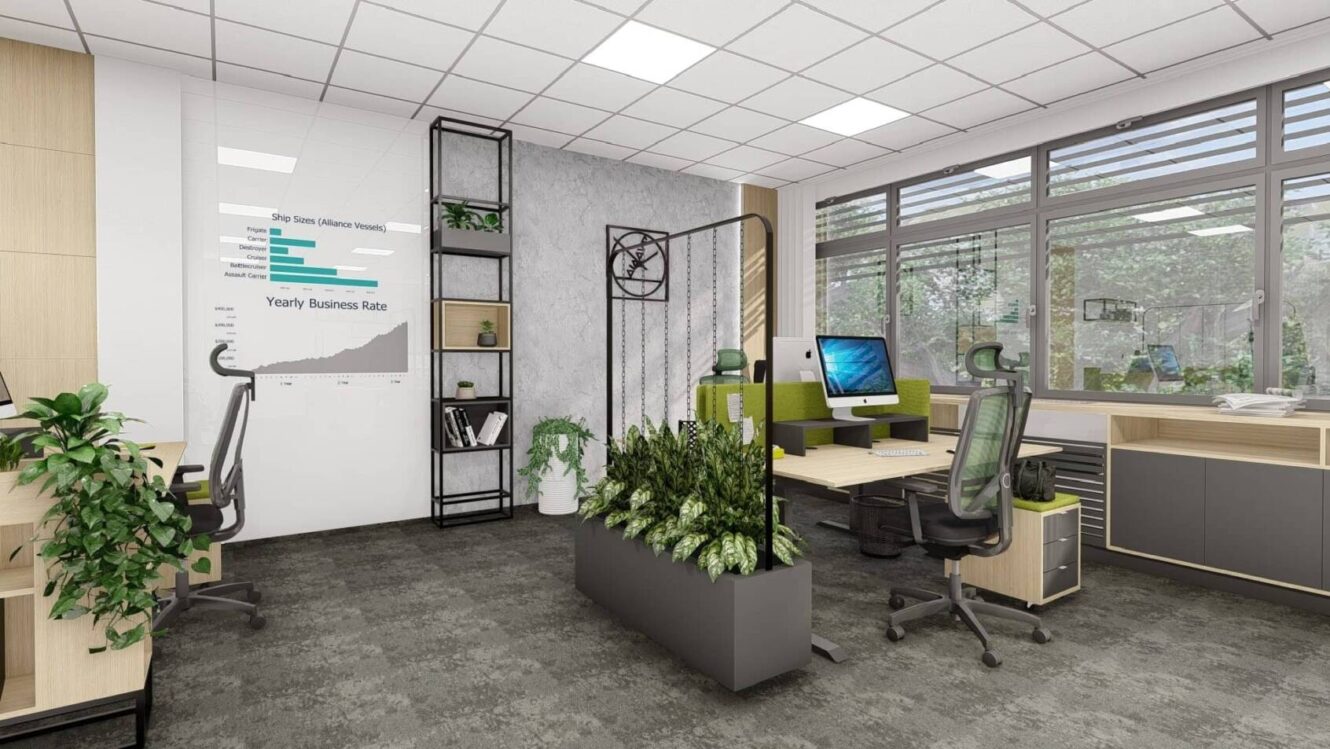
Why Do People Come to the Office in the Age of Hybrid Work?
Today, people often don’t come to the office just because they have to. They come when it makes sense. And that sense isn’t just stable WiFi connection or a comfortable chair. It’s the sense of belonging, the opportunity to be with colleagues, share ideas, inspire each other. These are things people miss when working from home.
A well-designed office creates a work environment where you can concentrate and collaborate, while having space for both quiet and informal conversations. It offers the possibility to choose work in an environment that suits us best. It naturally responds to what we need – whether we’re introverts, team players, or something in between. That’s why it can positively influence our motivation, mental well-being, and desire to be part of the team.
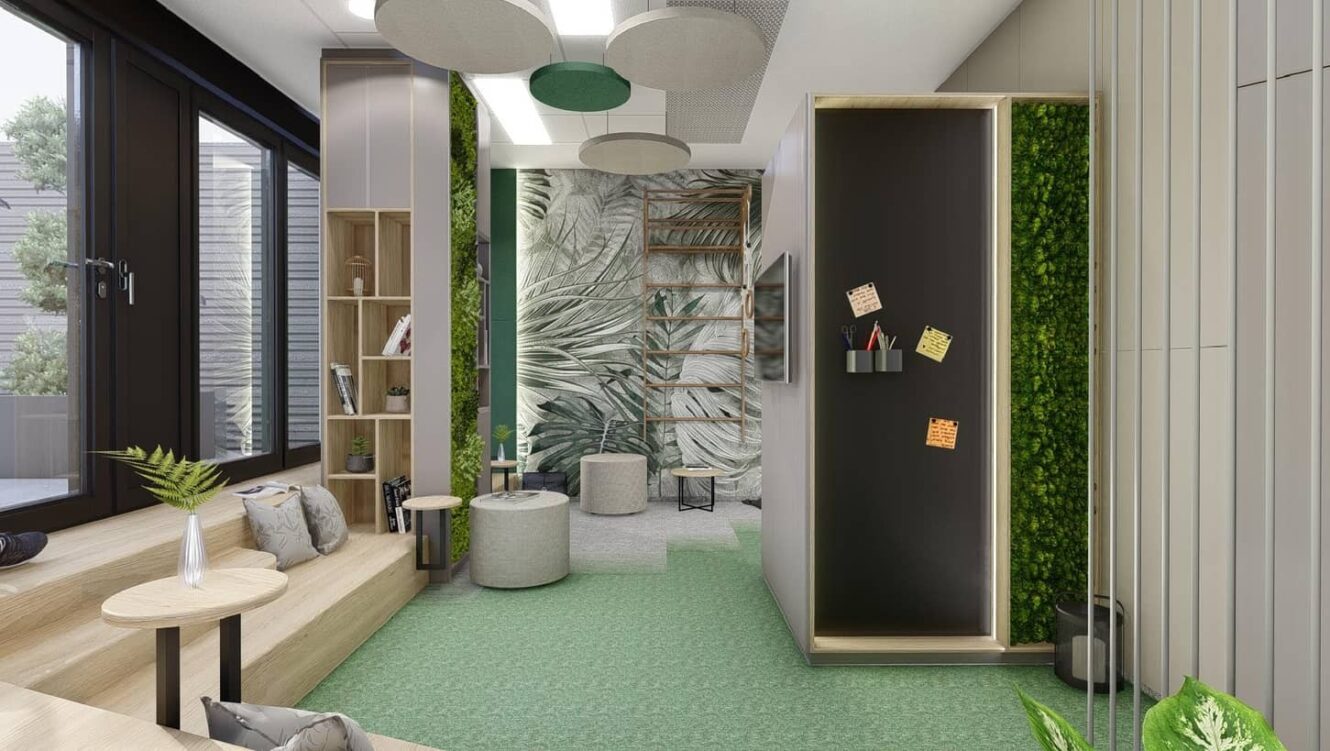
Office Design Based on Team Needs and Corporate Culture
A successful design comes from thoroughly understanding how a specific team works, communicates, and collaborates. Each company has its own dynamics, work rhythm, and spatial priorities – and these shape the character of the office.
Our interior designer Kamila asks these questions right at the beginning to our clients who request office design:
- When and how often do employees come to the office?
- How much time do they spend on individual work versus collaboration?
- Who needs quiet for concentration and who is constantly on the move?
- How are meetings conducted – in person, hybrid, or online?
- How much flexibility does the company need – daily, weekly, in the long term?
- What type of environment strengthens your corporate culture and supports team energy?

Workspace design is created with consideration for what truly helps people in their work and collaboration. The office then functions naturally – supporting concentration and communication and a healthy degree of freedom. Modern offices also often incorporate elements from residential interiors – comfort, softer materials, muted colors, and a homey atmosphere.
Flexible Office for Hybrid Work Model
The hybrid model has changed how we actually use the office. Instead of daily full operations, days with high concentration of people alternate with days when it’s almost empty. Work activities are more diverse, the pace more individual, and the need for flexibility greater than ever before. The traditional office with fixed desks, permanent meeting rooms, and uniform layout no longer makes sense.
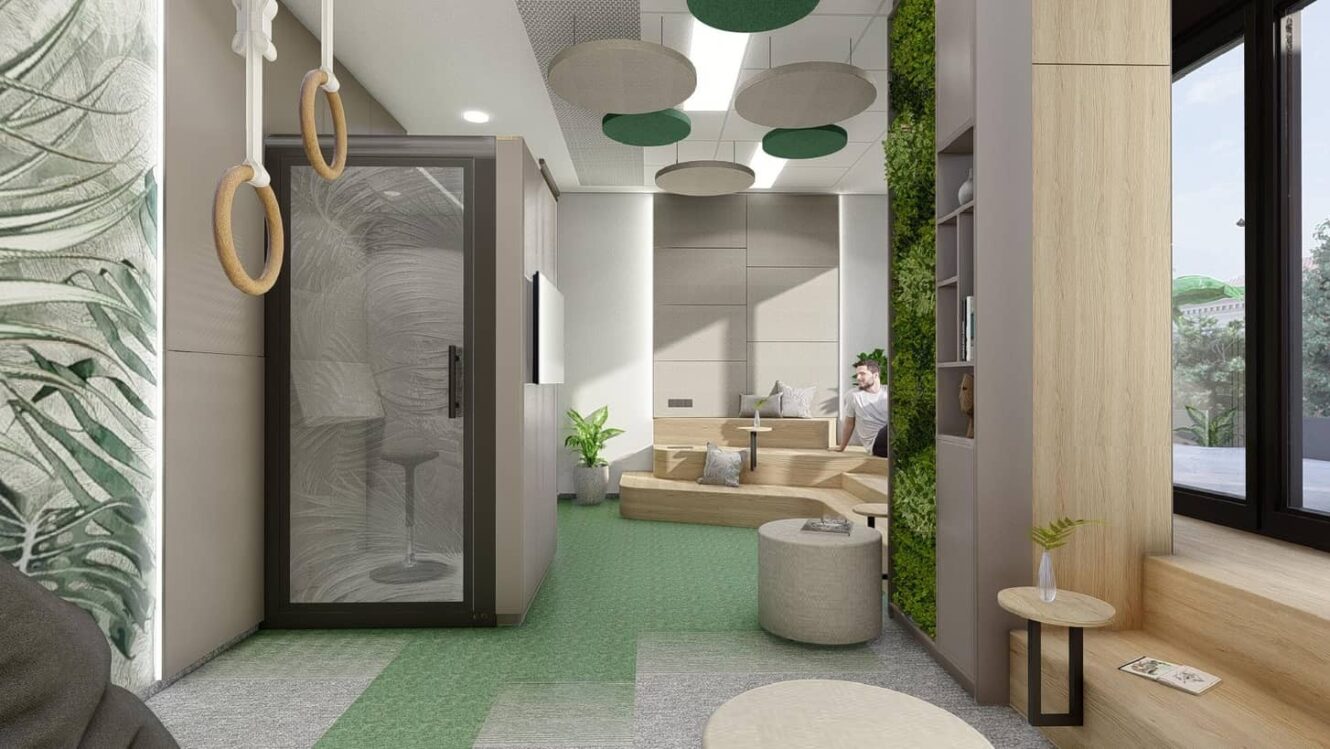
Space for a hybrid team must enable variability. It should be designed as a system of diverse zones where people move freely according to their current needs:
- Quiet zones for deep work: Calm, acoustically shielded environment for analytical tasks, writing, or focused creation.
- Collaboration zones: Space for team meetings, idea sharing, and collaborative work. These can take the form of traditional meeting rooms or informal corners with flexible arrangements and appropriate equipment.
- Micro-rooms and phone booths: For online meetings and confidential calls without disruption. Acoustically well-designed enclosed spaces offer peace in an otherwise dynamic environment.
- Informal and relaxation zones: Lounges, kitchenettes, relaxation corners. They support informal interaction and building company culture.
- Multifunctional zones: Spaces that can change their purpose as needed. Mobile furniture, sliding walls, or screens help facilitate this.
A hybrid office is created as a whole that responds to new work habits, it’s a well-thought-out strategy responding to new ways of working. A well-designed hybrid office is prepared for future changes – allowing easy modifications without major investments as company needs evolve.
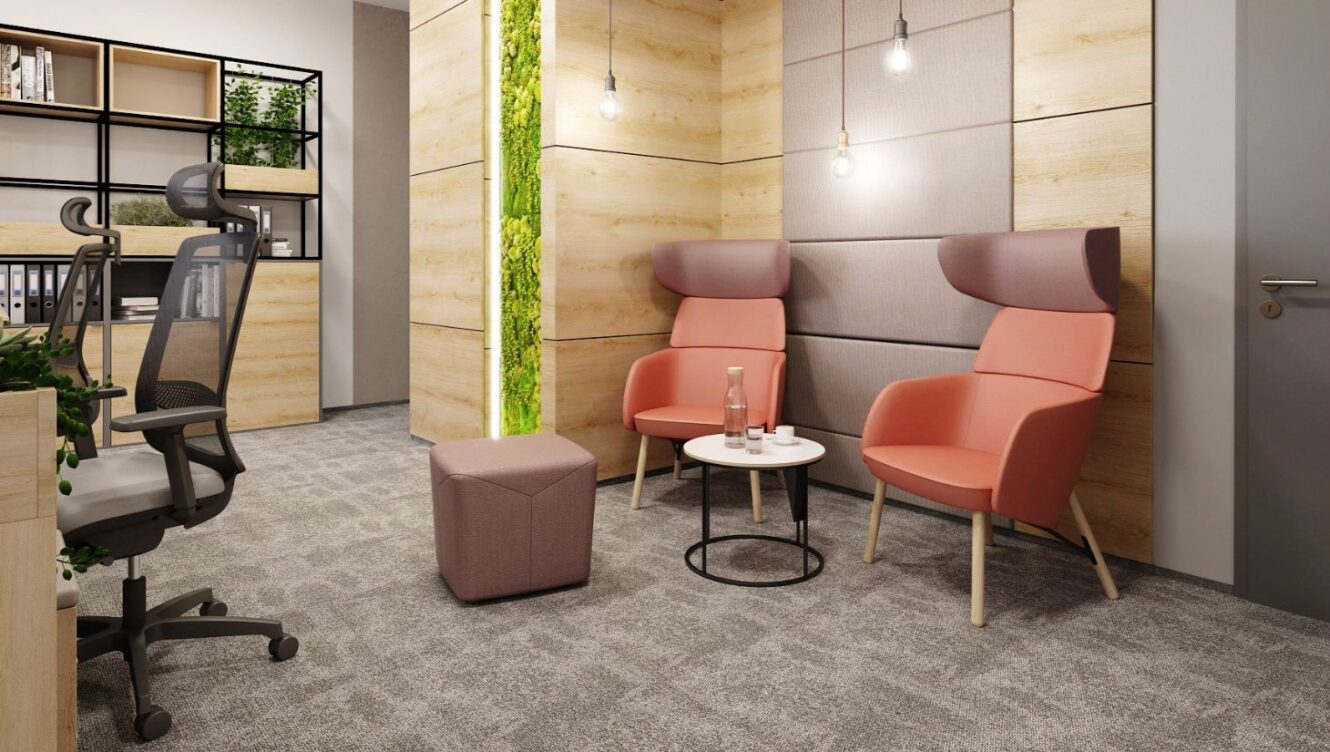
Mobile Furniture in Flexible Office Design
A flexible office space builds on the ability to respond to change – even during a single day. Mobile elements such as sliding walls, stackable chairs, movable acoustic screens, or furniture on wheels allow adjusting the space layout according to the team’s current needs.
These elements make it easy to create a zone for team meetings, open up space for presentations, or create a quiet area for individual work. The environment remains dynamic, versatile, and ready to support various work scenarios and daily dynamics. Mobile elements bring greater freedom and comfort – while enabling full utilization of the office space.
Flexible Work Environment as a Competitive Advantage
A flexible office isn’t a luxury, but a necessity. It supports different work styles, responds to changes, and creates an environment where people feel good – and perform better.
Want an office that adapts to your company type and your team? We’ll design it for you.